archived · 2026
Originull
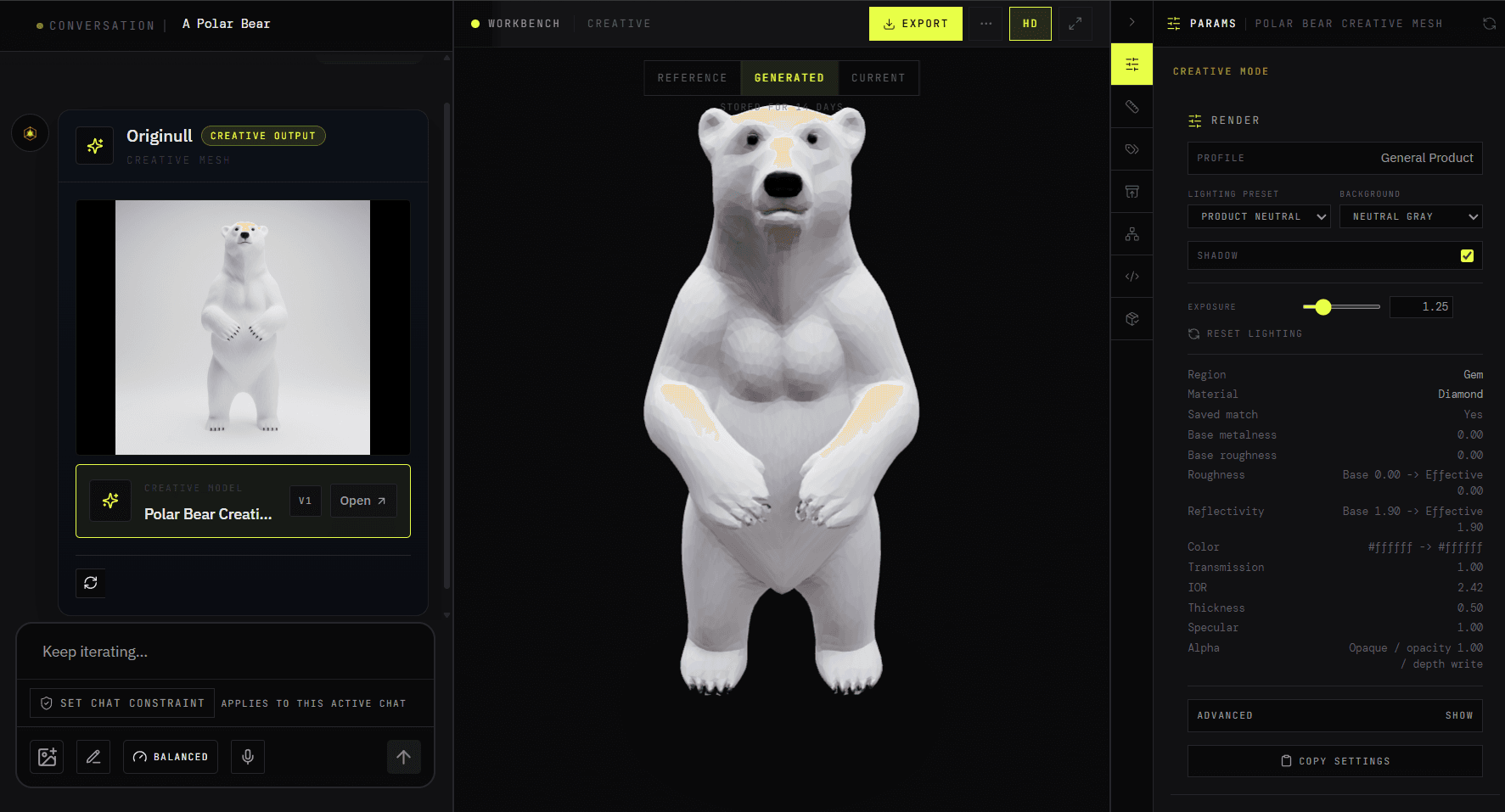
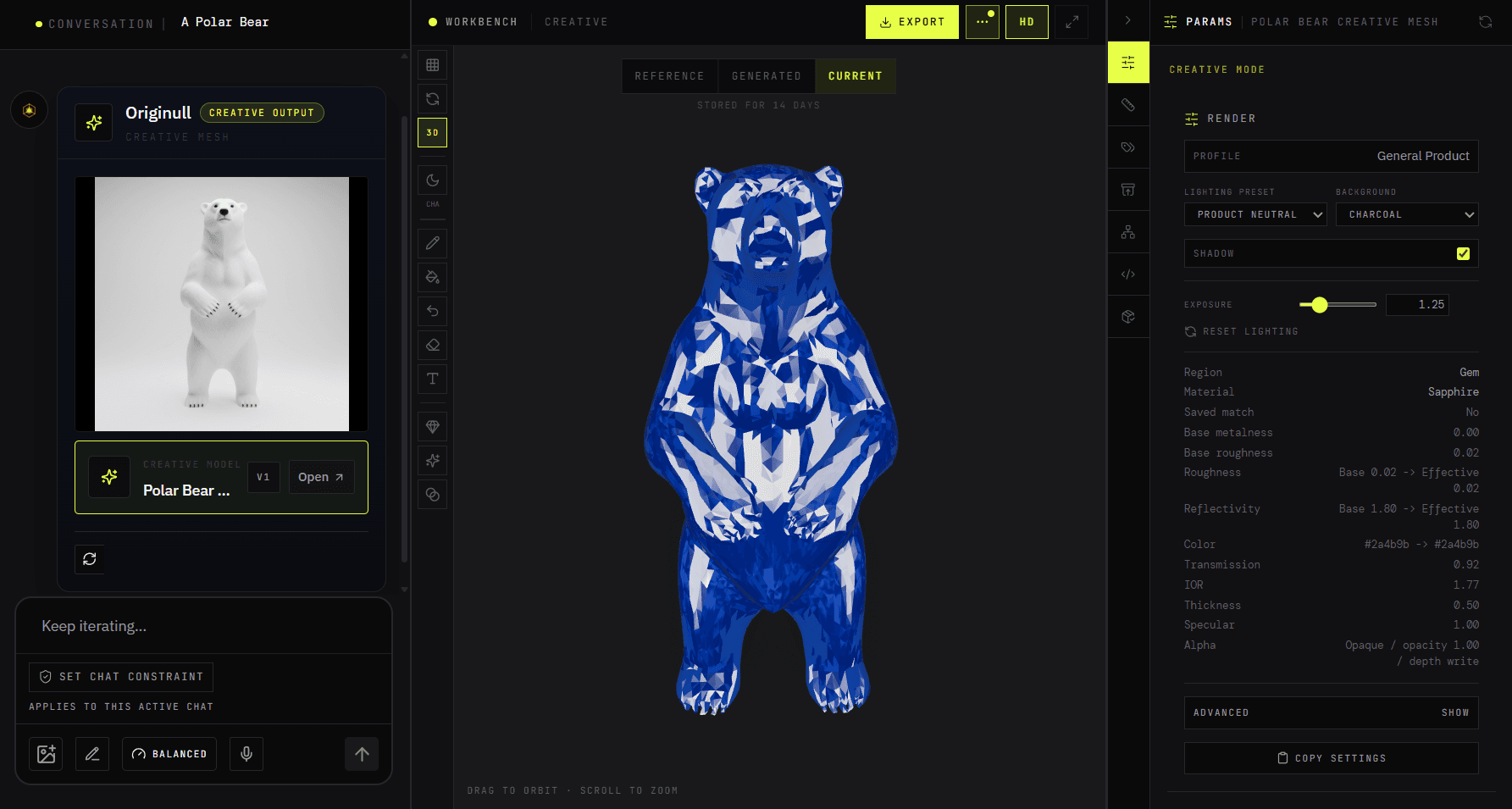
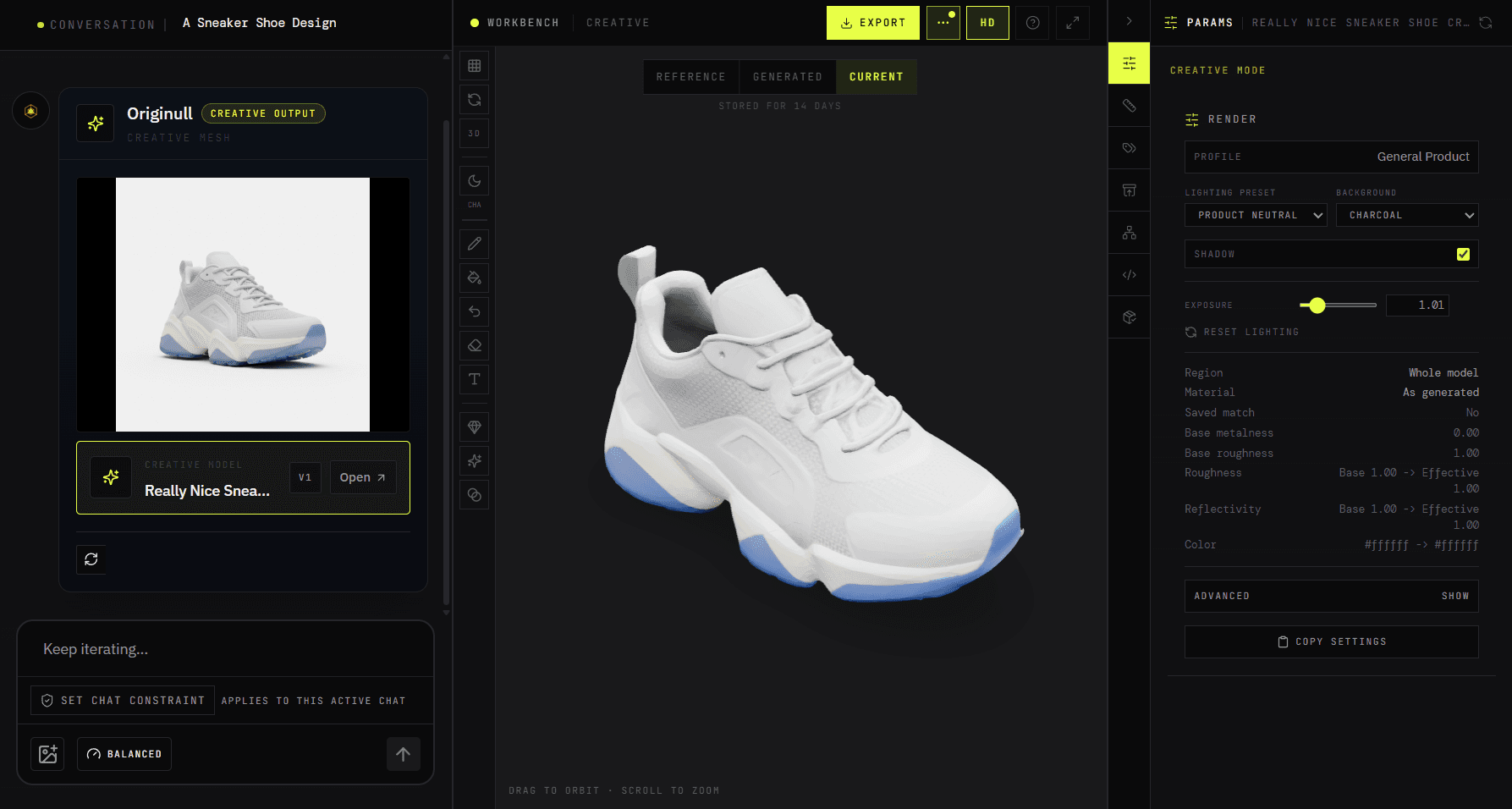
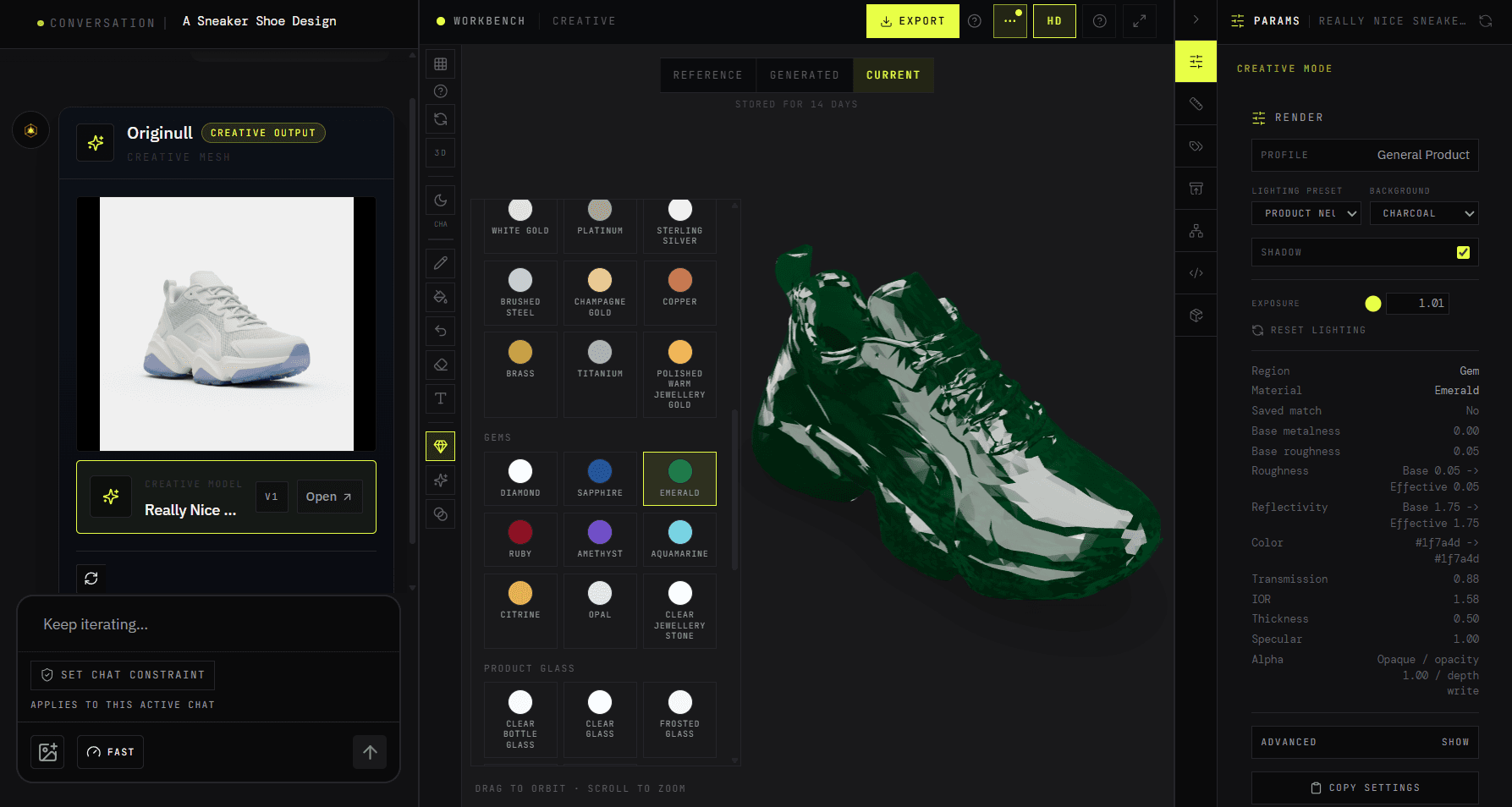
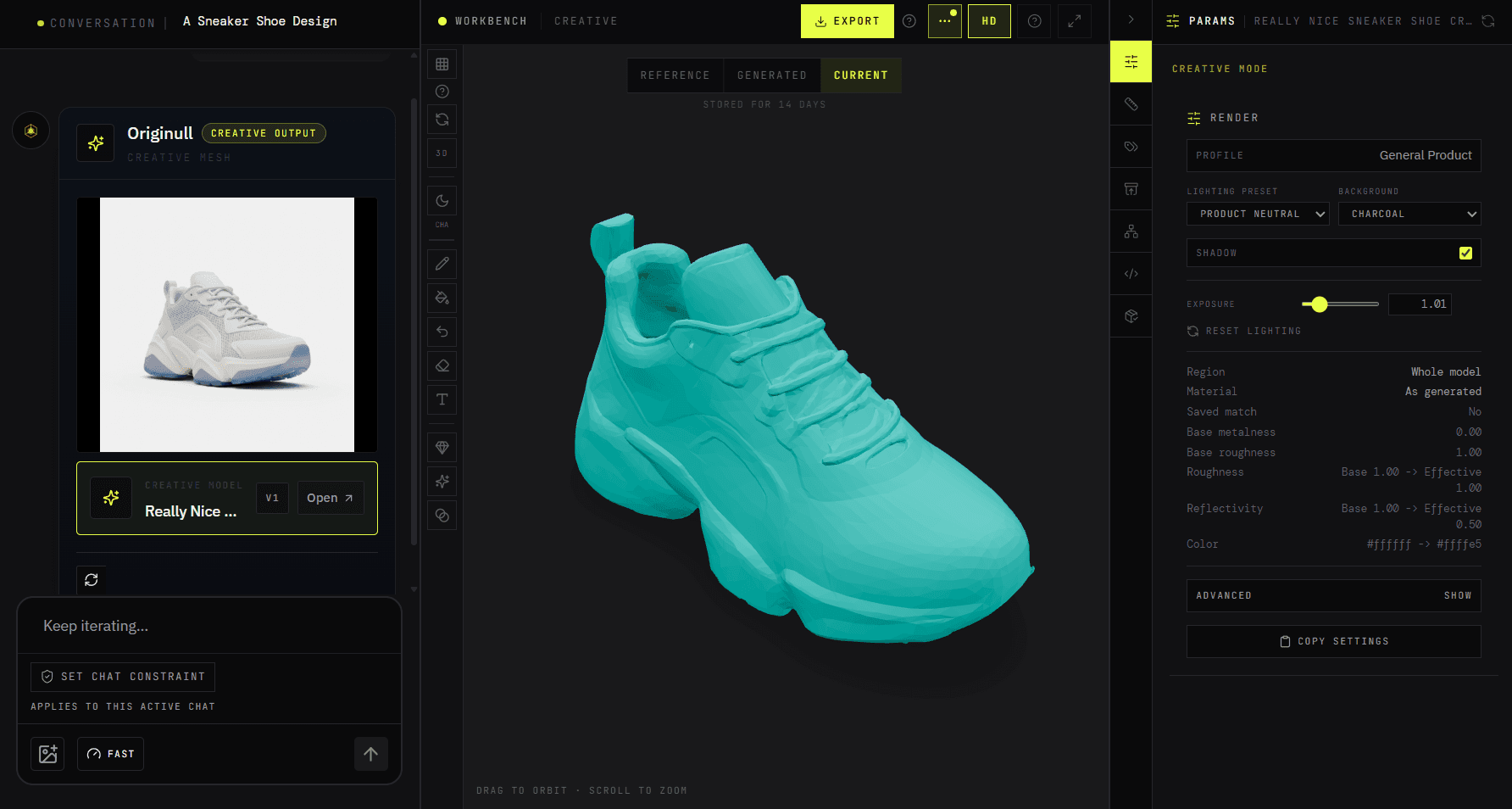
A browser workspace that turns product images, prompts, and existing 3D assets into customizable, optimized, web-ready 3D — but the generation step is an LLM writing parametric geometry code, checked by an automated critic before it's ever shown as final, not a diffusion model guessing a mesh.
archived; the source is private and there is no public site to visit
What it does
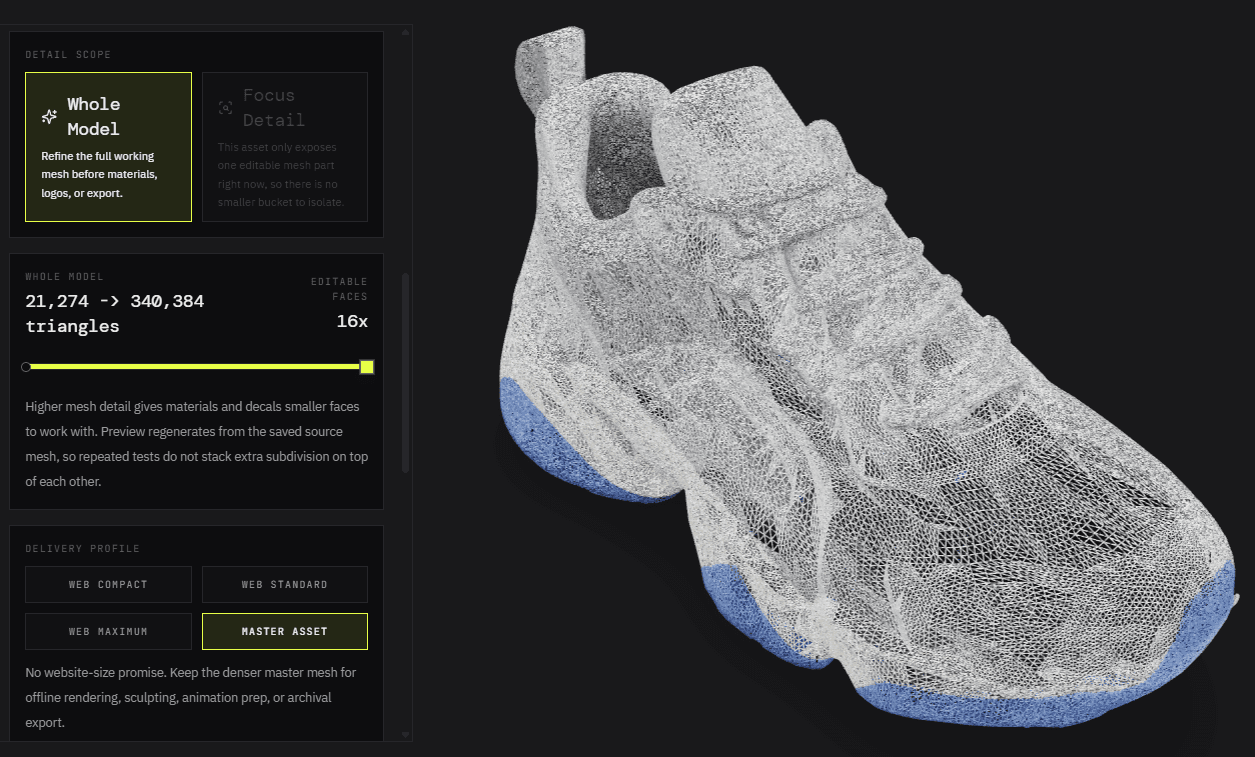
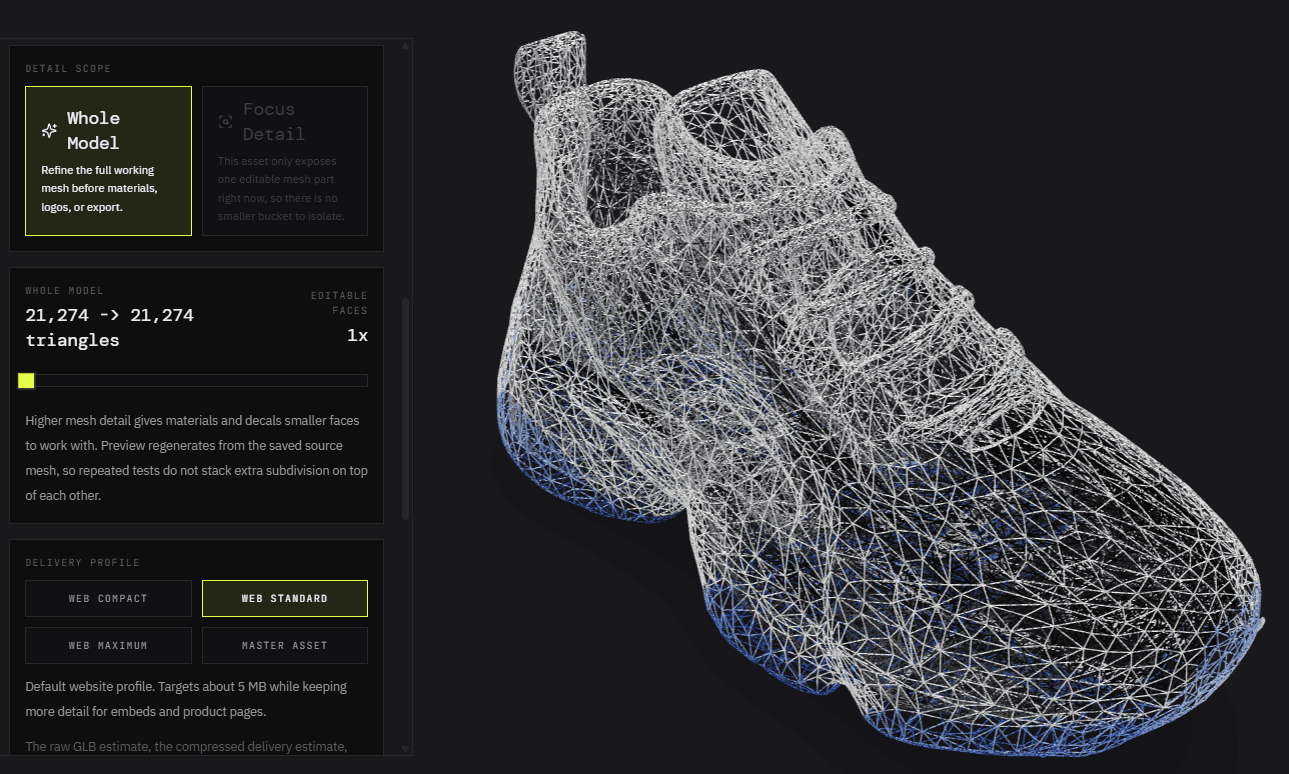
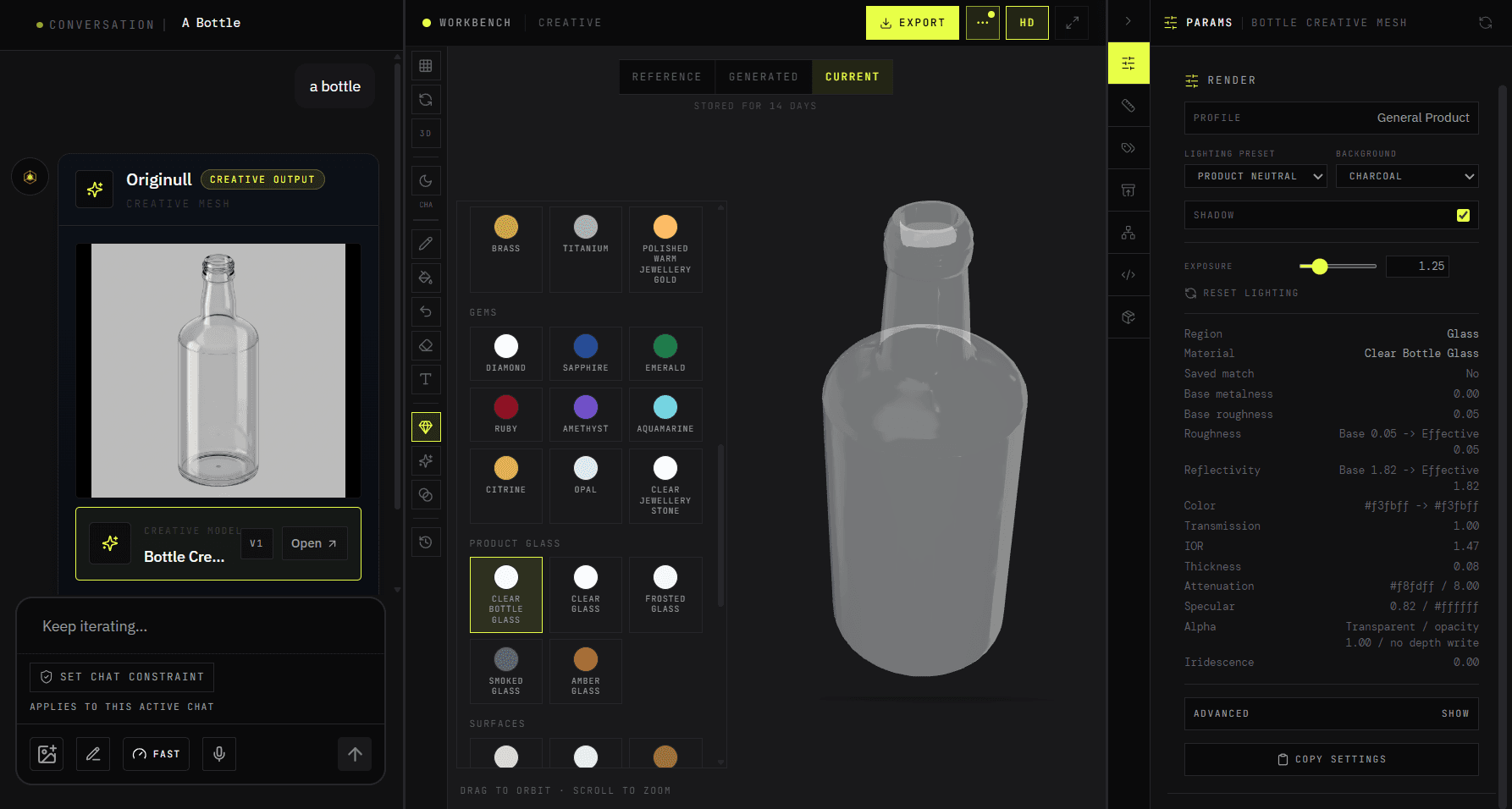
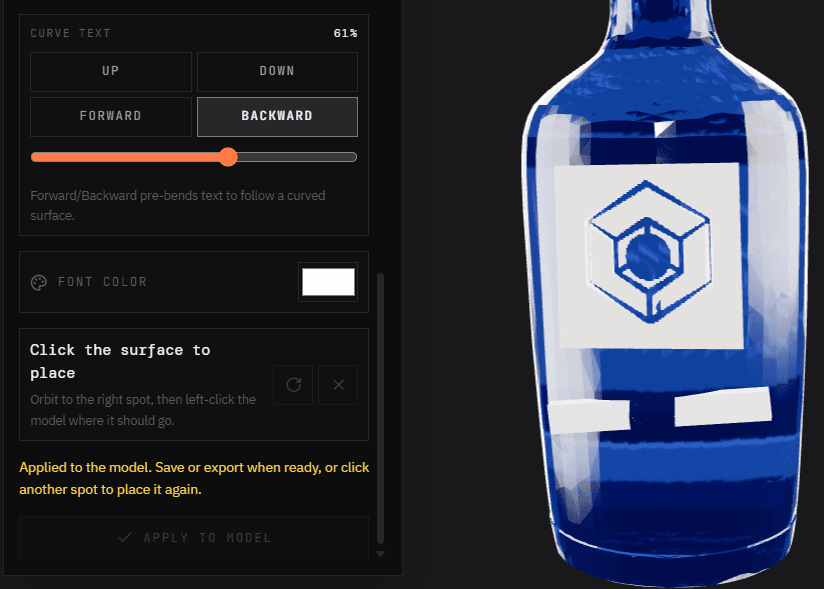
A Vite/React/TypeScript frontend talks to Supabase (auth, Postgres+RLS, Deno edge functions) for the generation pipeline, routed through OpenRouter as the single outbound LLM gateway — no direct model-vendor client anywhere. Provider-backed generation is metered through a credits system billed via Dodo Payments; the browser mesh editor (measurement, labeling, surface-detail/engrave tools, Three.js viewer) is free and local. Before it was archived, the marketing site (originull.com), the signed-in workspace (app.originull.com) and an admin console ran from one codebase, host-routed, deployed on Railway with Supabase as the data layer.
Why I built it
Most 'AI 3D' tools hand you an ungovernable blob of triangles and call it done. I wanted output that's still parametric — checkable, editable, versioned — with the model held accountable for whether what it wrote actually works, not just whether it looks plausible for a screenshot.
Technical problem
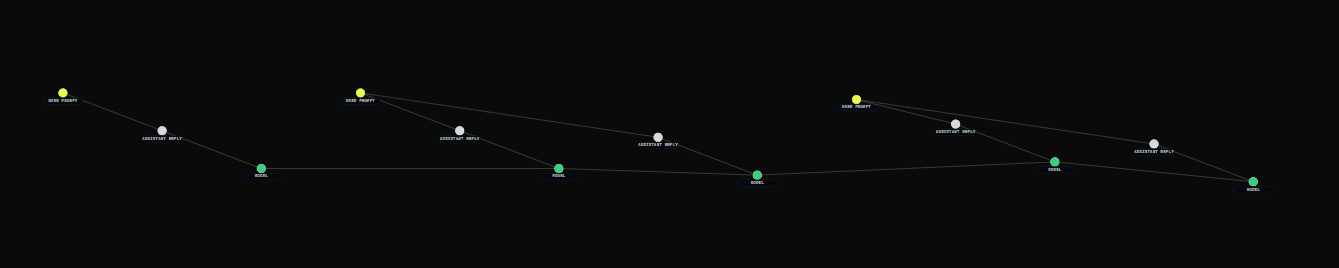
Trusting an LLM's code output is the whole problem. Every generation goes through a routing layer that picks a model pair for the request, then a mandatory 'Functional Critic' — an automated check suite that has to accept a generation before it's allowed to become the final version. A generation with no check suite, or one that fails it, is explicitly marked unverified in the UI rather than silently presented as done. Every attempt (initial generation, a repair, a manual edit) becomes a node in a versioned history tree, so nothing is ever a single frozen guess.
My contribution
Co-founder and primary engineer — full product ownership from direction and the React/TypeScript/Three.js workspace through auth, storage, billing, observability, and the asynchronous generation pipeline (jobs, retries, webhooks, and fallbacks).
Evidence and limitations
Verified 2026-09-14 against the private production repository, inspected locally — commit history, AGENTS.md architecture notes, railway.toml, package.json dependencies, and recent commits fixing real billing/webhook/provider-polling bugs. The 'critic must accept before final' rule and the version-tree model are read directly from the pipeline code's documented invariants, not marketing copy. The project is archived: no live site is linked and its source stays private.
Technologies
React, TypeScript, Three.js, Supabase, OpenRouter, Railway, Dodo Payments, glTF-Transform
708 / 716 commits shipped, by Mukund — as of 2026-09-14. Private repository, checked directly rather than via GitHub's public API. Source: local git log of the private production repository, authored by Mukund